Taking your furry friend to the groomer can be quite an ordeal. For many dogs, grooming visits trigger anxiety and fear that can turn a simple spa day into a stressful experience. The good news? With patience, understanding, and the right training approach, you can help your dog overcome their grooming fears. Here’s a comprehensive guide to turn those dreaded grooming sessions into something your pup might actually enjoy.
Understanding Your Dog’s Grooming Anxiety
Dogs can develop grooming anxiety for various reasons, and it’s essential to get to the root of their fears. Maybe they’ve had an uncomfortable experience in the past, or perhaps they’re naturally sensitive to being handled. Some pups get nervous about unfamiliar environments, while others might feel overwhelmed by the sounds and sensations of grooming equipment. Even the most well-adjusted dogs can feel stressed when separated from their beloved owners in a new setting.
Watch out for telltale signs that your dog’s experiencing grooming-related stress. You might notice excessive drooling, shaking, or panting when it’s time for their appointment. Some dogs might try to hide or bolt when they realize where they’re headed. These behaviors aren’t just your dog being difficult, they’re genuine expressions of anxiety that need gentle, patient attention.
Starting with Positive Association Training
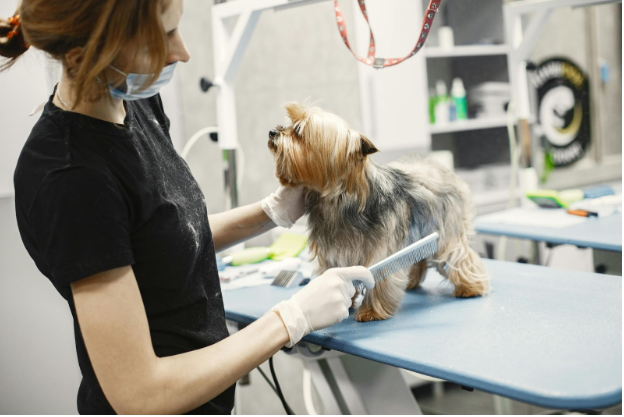
The key to helping your pup overcome grooming fears lies in creating positive experiences. Many pet parents in the area have found success with dog grooming in Chapel Hill services, where professionals understand the importance of gentle handling. Start by introducing grooming tools in your home’s comfort zone. Let your dog sniff and investigate brushes and combs while you offer their favorite treats and plenty of praise.
Make these introductory sessions short and sweet, think quality over quantity. Even if you only manage to brush a small area, celebrate that success! Regular, brief encounters with grooming tools can help build your dog’s confidence over time. Remember to keep the mood light and positive, never forcing interactions if your pup seems uncomfortable.
Desensitization to Grooming Equipment
Those buzzing clippers and whirring dryers can sound pretty scary to sensitive dogs. That’s why it’s smart to introduce grooming equipment gradually, starting with the tools turned off. Let your pup get comfortable with seeing and being near the equipment before taking things up a notch. Try running electric tools in another room first, letting your dog get used to the sound from a safe distance.
As your dog becomes more comfortable, slowly bring the running equipment closer while offering plenty of treats and praise. Take baby steps, maybe start by touching them with the turned-off clipper, then progress to brief contacts while it’s running. Some dogs might take weeks or even months to adjust, and that’s perfectly okay.
Building Trust Through Professional Relationships
Finding the right groomer can make all the difference for an anxious pup. Look for professionals who specialize in working with nervous dogs and aren’t afraid to take things slow. Consider scheduling “happy visits” where your dog can explore the grooming facility and meet the staff without any actual grooming happening. These pressure-free introductions can help your dog feel more at ease in the environment.
Communication with your groomer is crucial. Share what makes your dog nervous and what techniques have worked at home. Many experienced groomers will gladly adapt their approach to make your pup feel more comfortable, whether that means using specific tools or taking extra breaks during the session.
Creating a Calm Pre-Grooming Routine
Setting your dog up for success starts well before the grooming appointment. Try incorporating calming activities into your pre-grooming routine, like a relaxing walk or some gentle playtime. Skip the big breakfast before the appointment, but do offer small, special treats throughout your preparation process to keep the mood positive.
Some pet parents find success using veterinarian-approved calming aids or pheromone products. Practice makes perfect, try taking casual car rides to the grooming location without appointments to help your dog feel more relaxed about the journey itself. Building these positive associations can make a world of difference in your dog’s attitude toward grooming.
Implementing Gradual Exposure Techniques
Think of overcoming grooming fears like climbing a ladder, it’s best to take it one rung at a time. Start with quick visits to the grooming facility, slowly working up to longer stays and more involved services. Maybe begin with just a nail trim or a quick brush-out before attempting a full grooming session.
Keep track of what works and what doesn’t, and share this information with your groomer. Every small step forward is worth celebrating, even if there are occasional setbacks. Remember that fear doesn’t disappear overnight, it takes time, consistency, and lots of positive reinforcement to build new, better associations.
Conclusion
Transforming your dog’s grooming anxiety into acceptance (or even enjoyment! ) is a journey that requires dedication and understanding. By following these strategies consistently and working closely with grooming professionals, you can help your furry friend develop a more positive relationship with grooming. Remember that every dog moves at their own pace, celebrate the small victories and keep building on that progress. With time and patience, those dreaded grooming days can become just another part of your dog’s happy, healthy routine.