Repmold has become an essential term in modern manufacturing because it represents speed, precision, and efficiency—all in one process. As production demands continue to rise and product cycles grow shorter, manufacturers need reliable solutions that reduce cost without sacrificing quality. This is where repmold stands out.
In simple terms, repmold refers to a modern molding system or replication molding process that allows manufacturers to create accurate, repeatable parts using digital design tools and advanced materials. While the word may sound technical, the concept behind it is straightforward: make molds faster, cheaper, and more reliable.
From startups to large-scale factories, repmold is now widely used to streamline production, improve consistency, and support automation-driven manufacturing. Its role is no longer optional—it has become a core part of efficient production systems across industries.
See also Alain Fribourg Eolane: A Leader in Electronics Manufacturing Services
What Is Repmold?
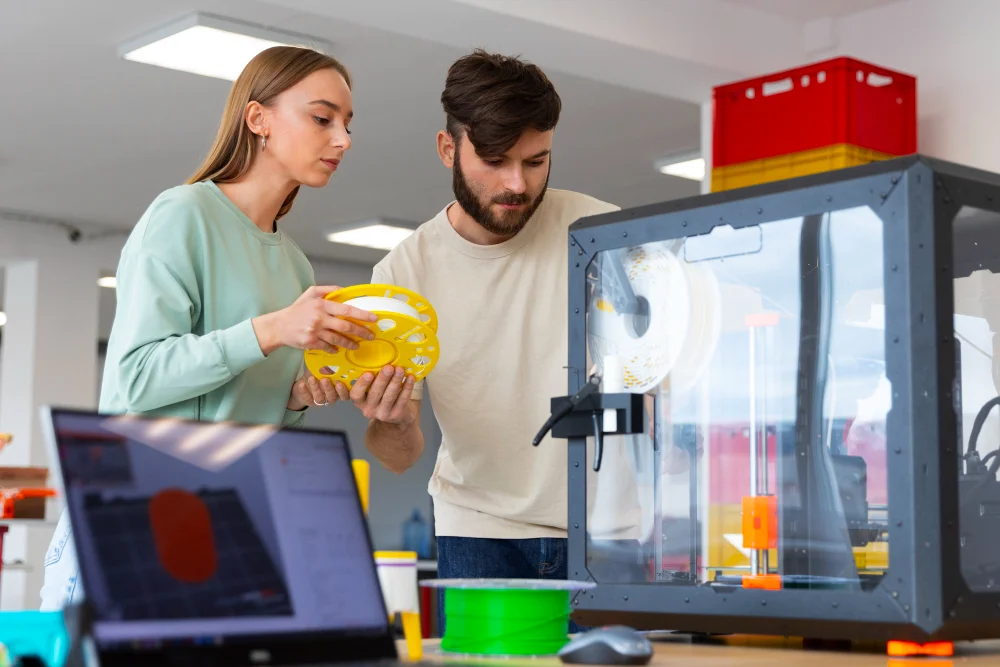
Repmold is a modern manufacturing method that combines digital design, 3D printing, and molding techniques to create molds and parts quickly and accurately. The process usually starts with a digital 3D model, followed by printing a master version of the part. A mold is then formed around this master using materials such as silicone or resin, allowing exact replicas to be produced.
Unlike traditional metal molds that can take weeks or months to manufacture, repmold systems can produce usable molds in just a few days. This makes repmold ideal for rapid prototyping, small production runs, and product testing.
Industries such as automotive, medical, education, electronics, and consumer goods rely on repmold because it balances speed, cost efficiency, and precision.
History and Development of Repmold
Before repmold became widely adopted, manufacturers depended on manual or semi-manual molding methods. These early processes were time-consuming, expensive, and often inconsistent. Hand-crafted molds frequently led to variation between parts, higher material waste, and longer production cycles.
The introduction of CAD software and digital design tools marked a major turning point. Engineers could now design molds with extreme accuracy and simulate performance before physical production began. With the rise of 3D printing, creating master models became faster and more affordable.
Over time, these technologies merged into what we now call repmold—a system that blends digital modeling, advanced materials, and automated workflows while still focusing on the core goal: consistency and reliability.
Why Repmold Matters Today
Modern manufacturing operates under constant pressure. Customers expect faster delivery, flawless quality, and competitive pricing. At the same time, supply chains are tighter, and production errors can be costly.
Repmold helps solve these challenges by:
- Ensuring consistent output across batches
- Reducing production errors and material waste
- Shortening lead times
- Making manufacturing accessible to smaller teams
Even startups with limited budgets use repmold systems to maintain predictable production. Large manufacturers rely on it to support research, development, and short-run manufacturing without committing to expensive tooling.
How Repmold Works
The repmold process is simple when broken into clear steps:
- Digital Design – A 3D model is created using CAD software or a scanner.
- Master Model Creation – A 3D printer produces the first physical version of the part.
- Mold Formation – Resin, silicone, or composite material is applied around the master model to create the mold.
- Replication – The mold is filled with the final production material.
- Finishing – The part is cleaned, polished, and tested.
Because most steps are digitally controlled, errors are reduced, and production remains consistent. In many cases, the entire process takes only a few days.
Key Features of Repmold Systems
Modern repmold setups offer several advantages that make them highly effective:
- High durability for repeated use
- Accurate shaping and dimensional reliability
- Faster cycle times compared to traditional molds
- Compatibility with multiple materials
- Ability to handle complex geometries
- Easy design modifications
These features allow manufacturers to adapt quickly while maintaining high standards.
Materials Used in Repmold
One of the strongest advantages of repmold is material flexibility. Depending on the project, manufacturers can use:
- Silicone
- Epoxy resin
- Polyurethane
- Plastics
- Rubbers
- Composites
- Metal-filled resins
This wide range of materials makes repmold suitable for industries such as automotive, aerospace, medical devices, packaging, and education.
Design Principles for Effective Repmold
Designing a successful repmold requires careful planning. Engineers focus on factors such as:
- Wall thickness
- Cooling channels
- Material flow
- Stress points
Using CAD and simulation software, teams can identify problems before creating the physical mold. This reduces costly redesigns and improves overall mold performance.
How Repmold Transforms Production
Repmold systems dramatically improve production efficiency. Because molds produce consistent results, fewer materials are wasted, and quality control becomes easier. Production lines run more smoothly, delays are reduced, and planning becomes more predictable.
Many teams report improved workflow clarity and even higher morale once a reliable repmold system is introduced. The benefits extend beyond manufacturing into budgeting, scheduling, and long-term planning.
Industries That Use Repmold
Repmold is widely used across multiple sectors, including:
- Automotive industry
- Aerospace industry
- Medical and dental fields
- Consumer products
- Electronics
- Education and research institutions
Its speed and accuracy make it especially valuable for rapid prototyping and small-batch production.
Repmold and Sustainability
Repmold supports eco-friendly manufacturing by reducing waste, using fewer raw materials, and consuming less energy than traditional methods. Many repmold materials are reusable or recyclable, and local mold production helps reduce shipping emissions.
As sustainability becomes a priority for businesses, repmold fits perfectly into greener production strategies.
Common Challenges of Repmold
While repmold is highly effective, it does have some limitations:
- Some materials may not tolerate very high temperatures
- Large molds can still be costly
- Basic knowledge of CAD and 3D printing is required
- Surface finishes may need additional polishing
Despite these challenges, continuous improvements in materials and technology are making repmold more capable every year.
The Future of Repmold
The future of repmold is closely tied to smart manufacturing. Upcoming advancements include:
- AI-powered mold design
- Smart sensors for real-time monitoring
- Bio-based and eco-friendly resins
- Faster and larger-scale 3D printing
- Fully automated production systems
These innovations will make repmold even more efficient, intelligent, and scalable.
FAQs About Repmold
What is repmold?
Repmold is a modern manufacturing process that uses digital design, 3D printing, and materials like resin or silicone to create molds and parts quickly and accurately.
How does repmold work?
It starts with a digital 3D model, followed by printing a master part and forming a mold around it to produce exact replicas.
What are the main benefits of repmold?
Repmold is fast, cost-effective, accurate, reusable, and environmentally friendly.
Who can use repmold?
Students, startups, designers, small factories, researchers, and large manufacturers can all use repmold.
What materials are used in repmold?
Common materials include silicone, epoxy resin, polyurethane, composites, and metal-filled resins.
Conclusion
Repmold is reshaping how products are designed and manufactured. By combining digital tools, 3D printing, and advanced materials, it allows molds to be created faster, cheaper, and with greater precision than traditional methods.
From rapid prototyping to sustainable manufacturing, repmold empowers businesses of all sizes to innovate without heavy investment. As technology continues to advance, repmold will remain a key pillar of modern, efficient, and future-ready production systems.