Insoya is a soy-based food product commonly used as a meat alternative. It is made from processed soy protein and is designed to provide a high-protein option for people who want to reduce or replace animal-based foods in their diet. Insoya is widely used in home cooking, food services, and plant-based meal preparation.
This article explains what Insoya is, how it is made, how people use it, and why it has become a popular choice in many diets.
What Is Insoya?
A soy-based protein food
Insoya is produced from soybeans that are processed to extract protein, which is then textured to resemble minced or granulated meat. The final product is typically dry and lightweight before cooking.
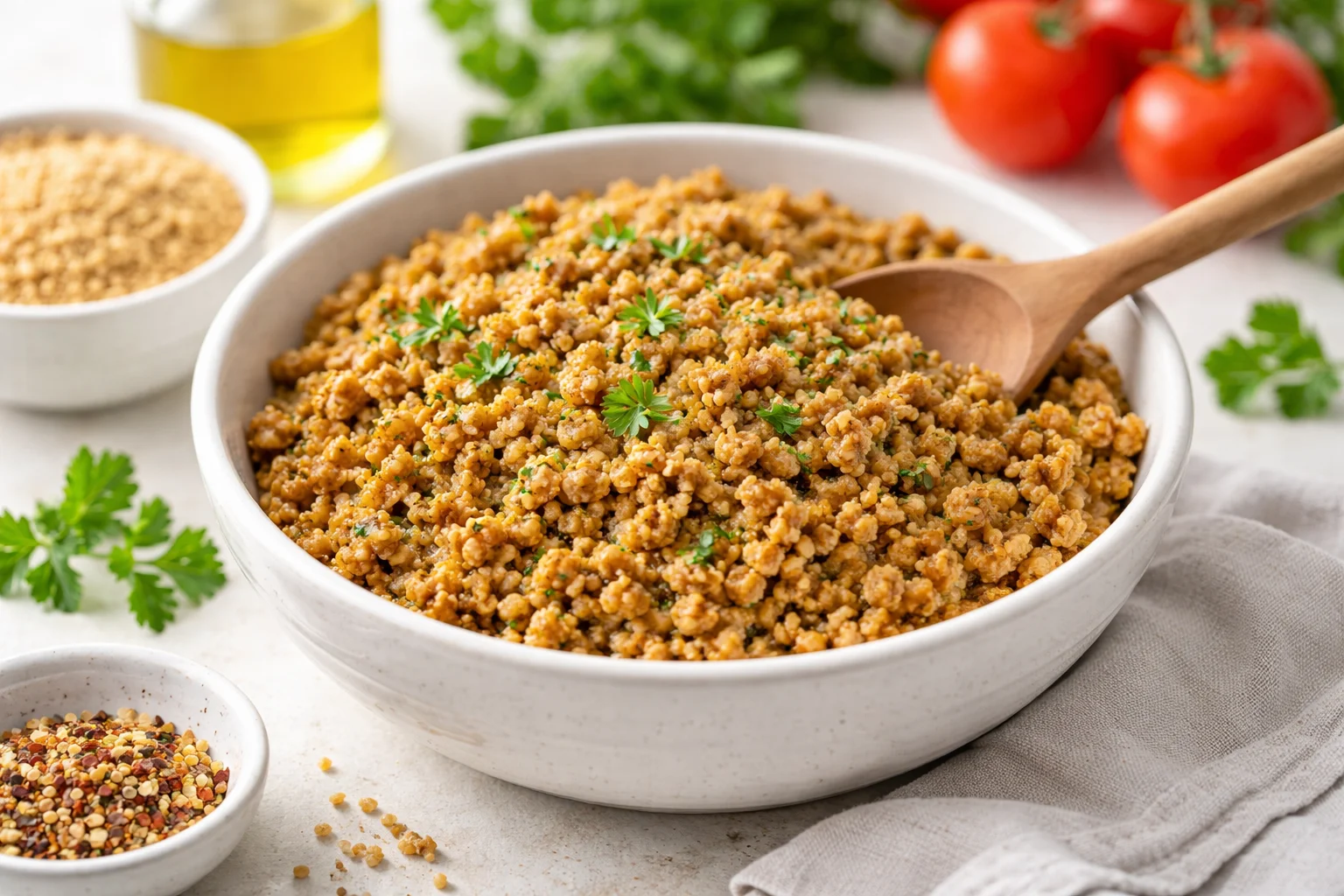
Once hydrated and cooked, Insoya absorbs flavors well and takes on a texture similar to ground meat.
Common form and appearance
Insoya usually comes in:
- Granules
- Minced-style pieces
Before cooking, it looks dry and compact. After soaking and cooking, it expands and softens, making it suitable for many recipes.
See also Toastul: Easy DIY Toast Creations for Every Occasion
How Insoya Is Made
Soybean processing
The process begins with soybeans being cleaned, dehulled, and processed to remove oil. What remains is a protein-rich material.
Texturizing the protein
The soy protein is then textured using heat and pressure. This step gives Insoya its meat-like structure, allowing it to hold shape after cooking.
Drying and packaging
After texturizing, the product is dried to extend shelf life and packaged for retail or food service use.
Why People Use Insoya
High protein content
Insoya is valued for its protein density. It provides a plant-based protein option that fits into vegetarian and vegan diets.
Meat replacement in everyday meals
Many people use Insoya as a direct replacement for minced meat in:
- Curries
- Stir-fries
- Pasta sauces
- Rice dishes
It works well in recipes where seasoning and sauce define the flavor.
Long shelf life and convenience
Because Insoya is sold in dried form, it:
- Stores easily
- Does not require refrigeration before opening
- Can be prepared quickly when needed
This makes it practical for regular use.
How Insoya Is Prepared
Hydration before cooking
Insoya is usually soaked in hot water for several minutes. This step:
- Softens the granules
- Expands the volume
- Removes raw dryness
After soaking, excess water is squeezed out before cooking.
Cooking process
Once hydrated, Insoya is cooked like minced meat. It is typically:
- Sautéed with onions and spices
- Added to sauces or gravies
- Simmered to absorb flavors
Proper seasoning is important, as Insoya itself has a mild taste.
Nutritional Profile of Insoya
Protein and fiber
Insoya is known for:
- High protein levels
- Moderate fiber content
This combination supports satiety and balanced meals.
Low fat content
Compared to many animal-based meats, Insoya generally contains lower fat levels, especially saturated fat.
Suitable for plant-based diets
Insoya fits well into vegetarian and vegan eating patterns when prepared without animal-derived ingredients.
Common Uses of Insoya in Cooking
Home cooking
At home, Insoya is commonly used in:
- Vegetable curries
- Stuffed flatbreads
- Cutlets and patties
- Rice-based dishes
Its ability to absorb spices makes it adaptable across cuisines.
Commercial food preparation
Restaurants and caterers use Insoya in bulk cooking due to:
- Cost efficiency
- Consistent texture
- Easy storage
It is often blended with vegetables or spices for flavor balance.
Insoya Compared to Other Meat Alternatives
Insoya vs lentils
Lentils are whole foods with natural texture, while Insoya is processed for consistency. Insoya provides a closer meat-like feel in certain dishes.
Insoya vs tofu
Tofu is soft and moist, while Insoya is granular and firm after cooking. Each suits different recipes.
Insoya vs mushrooms
Mushrooms add umami flavor but lower protein. Insoya is chosen when protein content is the priority.
Things to Keep in Mind When Using Insoya
Flavor depends on seasoning
Insoya does not have a strong natural flavor. Proper spices, herbs, and cooking methods are essential for good taste.
Moderation in processed foods
Although plant-based, Insoya is still a processed product. Many people balance it with whole foods like vegetables and grains.
Individual tolerance
Some people are sensitive to soy products. Checking dietary compatibility is important.
Who Commonly Uses Insoya
Vegetarians and vegans
Insoya is widely used by people who avoid meat but want protein-rich meals.
Budget-conscious households
Because it expands after soaking, a small amount can serve multiple portions.
Fitness-focused diets
Some individuals include Insoya for its protein content as part of structured meal planning.
FAQs
Is Insoya the same as soy chunks?
They are similar but not identical. Soy chunks are larger, while Insoya is usually finer in texture.
Does Insoya taste like meat?
On its own, no. When cooked with spices and sauces, it can closely resemble minced meat in texture.
Is Insoya suitable for daily use?
Many people use it regularly, often combined with other protein sources.
Does Insoya require refrigeration?
Not before opening. Once cooked, leftovers should be refrigerated.
Final Thoughts
Insoya is a practical soy-based protein option used as a meat alternative in a wide range of dishes. Its long shelf life, high protein content, and ability to absorb flavors make it popular in both home and commercial cooking.
For people looking to include more plant-based meals without sacrificing texture or versatility, Insoya offers a reliable and flexible choice.