Ghostshader is a term that has been gaining attention across different online communities. People usually come across it while exploring tools, visual enhancements, or digital effects, and the first reaction is often the same: what exactly is ghostshader, and why are people talking about it?
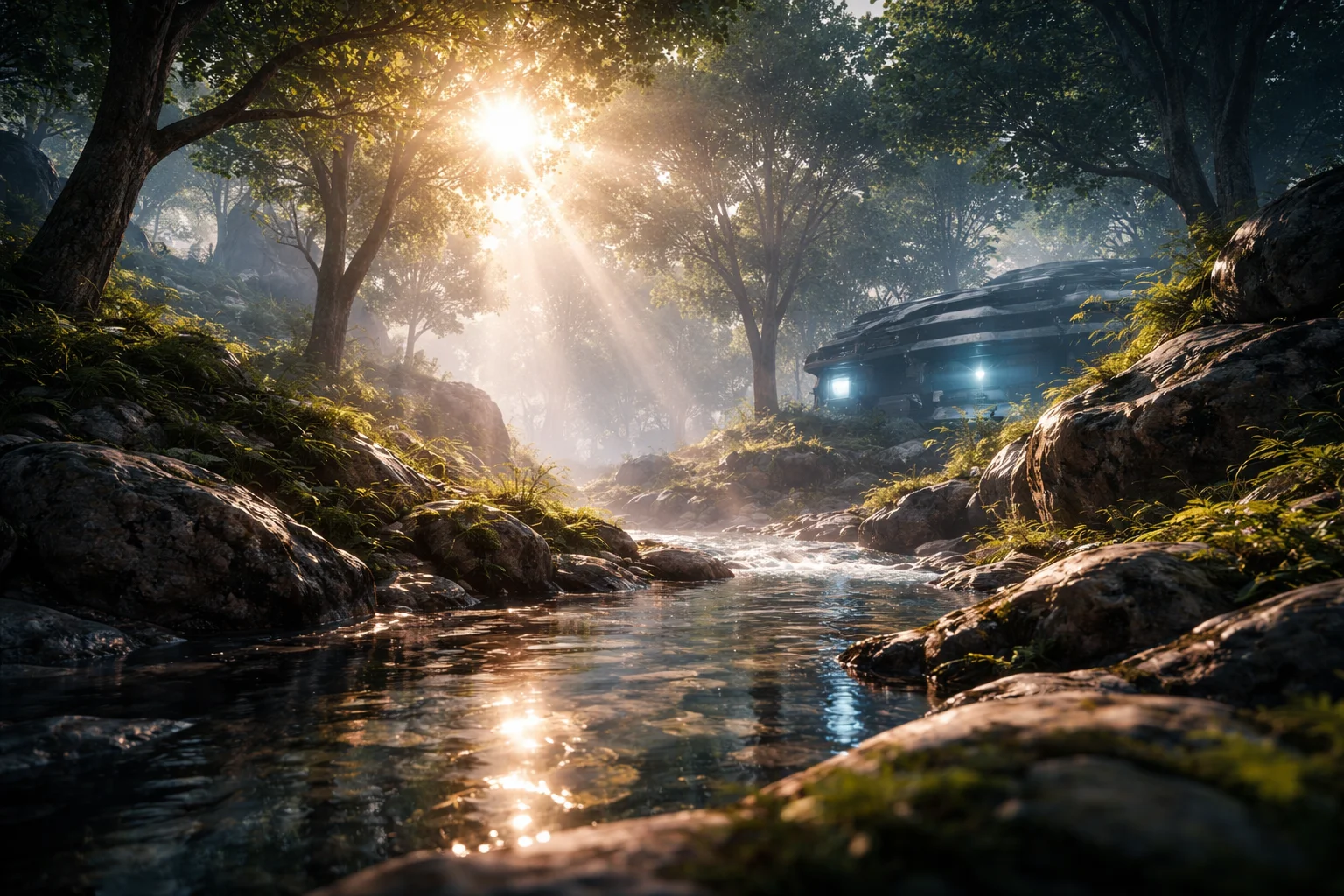
Ghostshader is best understood as a visual or rendering-related concept used to improve how digital graphics appear. It focuses on enhancing lighting, shadows, and subtle effects that make visuals feel smoother, deeper, and more realistic. Instead of loud or heavy changes, ghostshader is designed to work quietly in the background, improving how things look without drawing attention to itself.
This guide explains ghostshader in a simple and clear way. It focuses on what ghostshader is, how it works, where it is used, and why people choose it.
See also Kodiondemand: Complete and Practical Guide
What Is Ghostshader
Ghostshader refers to a shader-based solution that modifies how light, shadow, and surface details are displayed on screens. Shaders are small programs that control visual rendering, and ghostshader uses these programs to add depth, softness, and clarity to digital environments.
The main idea behind ghostshader is balance. It avoids extreme brightness, harsh shadows, or overly dramatic effects. Instead, it aims for clean visuals that feel natural and smooth.
Key characteristics of ghostshader include:
- Soft lighting adjustments that reduce harsh contrasts
- Improved shadow depth without darkening scenes too much
- Smooth surface shading that adds realism
- Minimal performance impact compared to heavier visual tools
Ghostshader does not replace existing visuals completely. It refines them.
How Ghostshader Works
Ghostshader operates at the rendering level. It interacts directly with how graphics are drawn on the screen.
When a scene is rendered, ghostshader analyzes elements such as:
- Light sources
- Object surfaces
- Camera angles
- Distance between objects
Based on this information, it adjusts how pixels are shaded. These changes are often subtle, but together they create a noticeable improvement in overall visual quality.
Core Technical Principles
Ghostshader relies on several important principles:
- Light diffusion to spread brightness evenly
- Shadow smoothing to avoid sharp edges
- Color correction to maintain natural tones
- Depth awareness to enhance distance perception
These principles help ghostshader improve visuals without overwhelming the system.
Where Ghostshader Is Commonly Used
Ghostshader is used in multiple digital environments. Its flexibility allows it to adapt to different needs.
Gaming Environments
Many users discover ghostshader while looking to improve visual quality in games. It enhances:
- Environment lighting
- Character models
- Terrain textures
- Atmospheric depth
Because ghostshader focuses on efficiency, it is often preferred by players who want better visuals without sacrificing smooth performance.
Creative and Design Projects
Ghostshader is also used in:
- Digital art previews
- 3D modeling environments
- Animation test scenes
Artists appreciate how it improves clarity without changing the original design intent.
Simulation and Visualization
In simulations, ghostshader helps make environments feel more realistic. This includes:
- Architectural previews
- Technical simulations
- Training visuals
The subtle shading improvements help users interpret depth and structure more easily.
Benefits of Using Ghostshader
Ghostshader offers several practical benefits that explain its growing popularity.
Cleaner Visuals
One of the biggest advantages is visual cleanliness. Scenes look refined without looking artificial.
Better Depth Perception
Ghostshader improves how depth is perceived, making flat scenes feel more dimensional.
Stable Performance
Because it avoids heavy effects, ghostshader usually runs smoothly on a wide range of systems.
Flexible Customization
Many versions allow users to adjust settings such as:
- Light intensity
- Shadow softness
- Color balance
This flexibility helps users tailor the experience to their preferences.
Ghostshader vs Traditional Shaders
Understanding how ghostshader compares to traditional shaders helps explain its appeal.
Visual Style
Traditional shaders often aim for dramatic visuals. Ghostshader focuses on realism and balance.
System Load
Heavy shaders can strain hardware. Ghostshader is designed to stay lightweight.
Ease of Use
Ghostshader setups are usually simpler, making them accessible to beginners.
Consistency
Ghostshader maintains consistent visuals across different scenes, avoiding sudden changes in brightness or color.
Installation and Setup Overview
While setup steps vary depending on the platform, the general process follows a similar pattern.
Basic Setup Flow
- Install the required shader framework
- Add ghostshader files to the correct directory
- Activate ghostshader within the settings menu
- Adjust visual preferences
Most users find the setup process straightforward.
Initial Configuration Tips
For best results:
- Start with default settings
- Adjust brightness gradually
- Test performance after each change
Small adjustments often deliver the best outcome.
Performance Considerations
Ghostshader is designed with performance in mind, but results can vary depending on hardware.
Low-End Systems
On lower-end systems, ghostshader typically performs well because it avoids heavy effects.
Mid-Range Systems
Most users experience smooth performance with room for customization.
High-End Systems
High-end systems allow users to push settings slightly further while maintaining stability.
Monitoring frame rates during setup helps ensure a balanced experience.
Common Use Cases
Ghostshader is chosen for specific reasons depending on the user’s goals.
Visual Enhancement Without Overload
Users who want better visuals without drastic changes prefer ghostshader.
Long Play Sessions
Smooth visuals reduce eye strain during extended use.
Content Creation
Creators value ghostshader for previewing realistic lighting before final renders.
Limitations of Ghostshader
No tool is perfect, and ghostshader has some limitations.
- It may not deliver cinematic effects for users who want dramatic visuals
- Customization depth can be limited compared to complex shader packs
- Results depend on the base visuals of the platform being used
Understanding these limits helps set realistic expectations.
Safety and Compatibility
Ghostshader is generally considered safe when used properly.
Compatibility
It works best with:
- Updated graphics drivers
- Compatible shader frameworks
- Supported platforms
Stability
Using official sources and stable versions reduces the risk of crashes or glitches.
Avoid mixing ghostshader with multiple heavy shaders at the same time.
Troubleshooting Common Issues
Some users may encounter minor issues during setup or use.
Visual Artifacts
If visuals look distorted:
- Reduce shadow intensity
- Disable conflicting visual effects
Performance Drops
If performance decreases:
- Lower lighting quality
- Disable optional features
Loading Problems
Reinstalling files and verifying directories often resolves loading issues.
Why Ghostshader Continues to Gain Attention
Ghostshader stands out because it respects the original visual design while enhancing it. Instead of changing everything, it improves what already exists.
Users appreciate tools that:
- Work quietly
- Deliver consistent results
- Do not demand constant adjustments
Ghostshader fits these expectations well.
Frequently Asked Questions
Is ghostshader suitable for beginners?
Yes, ghostshader is beginner-friendly due to its simple setup and default configurations.
Does ghostshader affect performance heavily?
In most cases, performance impact is minimal compared to heavier shader solutions.
Can ghostshader be customized?
Yes, users can adjust lighting, shadows, and color balance to suit their preferences.
Is ghostshader compatible with different systems?
Compatibility depends on the platform and framework, but ghostshader is designed to work across a wide range of setups.
Does ghostshader change the original visual style?
No, it enhances visuals while preserving the original style.
Conclusion
Ghostshader is a refined visual enhancement solution designed for users who value clarity, balance, and performance. It improves lighting, shading, and depth without overwhelming the system or altering the original look of digital environments.
By focusing on subtle improvements rather than dramatic effects, ghostshader delivers a cleaner and more natural visual experience. Whether used for gaming, creative work, or simulations, it offers a reliable way to enhance visuals while keeping everything smooth and stable.
For users who want better visuals without complexity, ghostshader remains a strong and practical choice.