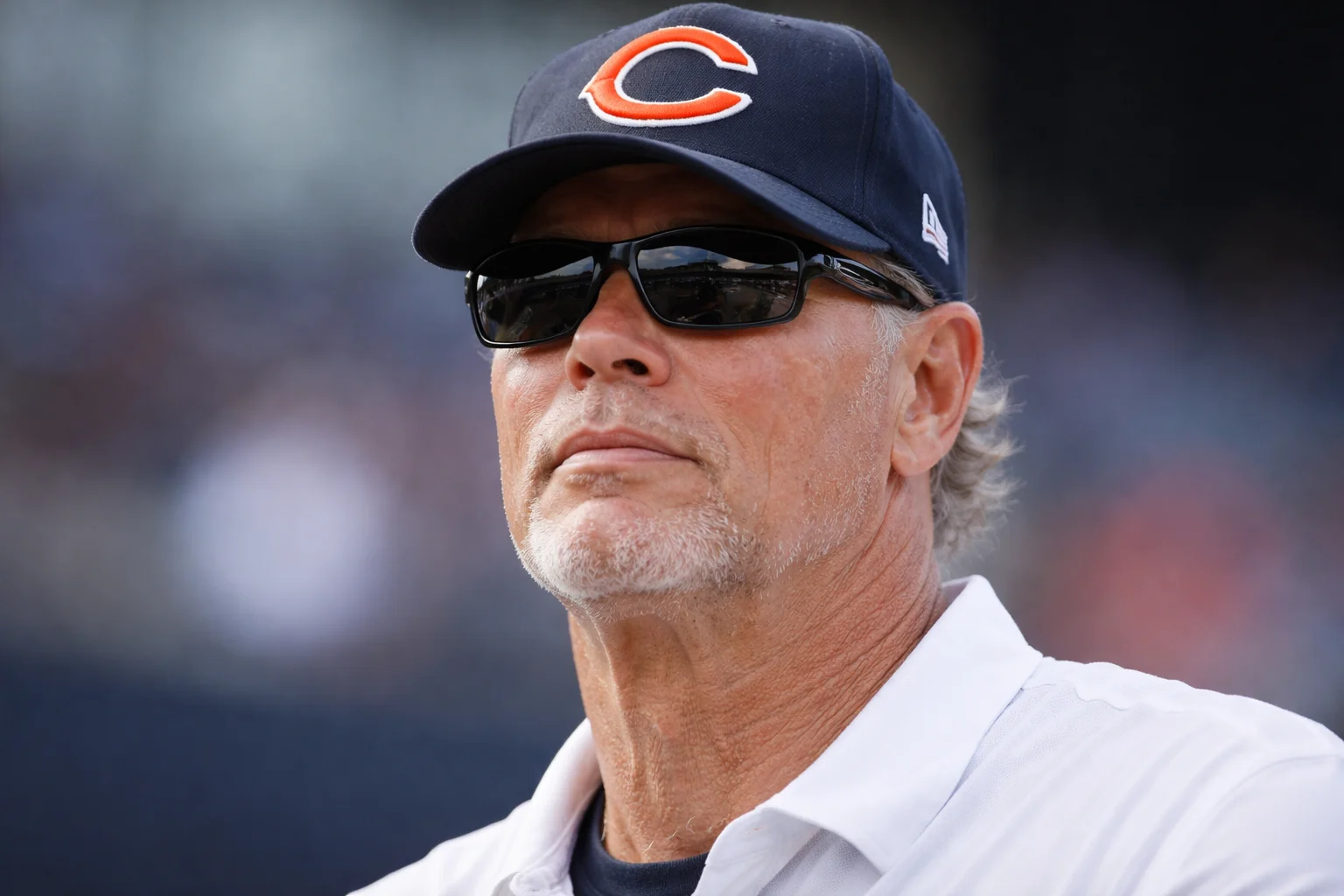
Jim McMahon, a former NFL quarterback known for his dynamic playing style and charismatic personality, has faced numerous health challenges since retiring from football. His journey highlights the physical and mental toll that professional sports can take on an athlete. This article delves into Jim McMahon’s health journey, exploring his medical history, ongoing health issues, and his advocacy for better athlete health awareness.
Introduction
Jim McMahon’s illustrious career in the NFL, particularly with the Chicago Bears, is well-remembered by sports enthusiasts. However, behind the glory and success lies a story of health struggles that have persisted long after his retirement.
In this comprehensive guide, we examine:
- The health challenges McMahon has faced
- The long-term impact of concussions and injuries
- His surgeries and recovery efforts
- His advocacy for improved athlete health support
By shedding light on McMahon’s health journey, this article aims to inform and inspire those interested in athlete health and the long-term impact of football.
See also Steelers vs Philadelphia Eagles Match Player Stats: Complete Game Performance Breakdown
Jim McMahon’s Health Journey
Early Health Issues
During his time in the NFL, Jim McMahon endured numerous injuries typical of a professional football player. These included concussions, which were often underplayed or poorly understood during his playing era.
Concussions and brain injuries are now recognized as serious health concerns that can lead to long-term neurological complications.
Key Early Injuries:
- Concussions: McMahon suffered multiple concussions throughout his career. At the time, concussion protocols were not as advanced, and players frequently returned to play prematurely.
- Other Football Injuries: In addition to brain trauma, McMahon dealt with shoulder injuries, knee damage, and other physical setbacks that required medical attention.
Impact of Football on Health
The physical demands and repeated impact associated with football often result in chronic health issues later in life.
For McMahon, these effects have appeared in both physical and mental health challenges.
- Chronic Pain: Like many former NFL players, McMahon experiences ongoing chronic pain resulting from years of high-impact collisions.
- Brain Health Concerns: The cumulative effect of concussions has raised concerns regarding Chronic Traumatic Encephalopathy (CTE) — a degenerative brain condition associated with repeated head trauma.
Key Health Challenges
Concussions and Brain Health
Jim McMahon has been open about the long-term consequences of repeated concussions. He has described experiencing symptoms consistent with CTE, including:
- Memory loss
- Depression
- Cognitive difficulties
Ongoing Monitoring
- CTE Awareness: McMahon’s experience has helped raise public awareness about CTE and its potential impact on athletes.
- Neurological Assessments: Following retirement, he has undergone multiple neurological evaluations to better understand and manage his brain health.
Surgeries and Medical Treatments
McMahon’s health journey has involved several major surgical procedures aimed at relieving pain and improving mobility.
Major Procedures:
- Neck Surgery: Performed to alleviate chronic neck pain. The procedure improved mobility and reduced discomfort.
- Back Surgery: Conducted to address severe back pain that significantly affected his quality of life.
Jim McMahon’s Major Surgeries
| Surgery Type | Purpose | Outcome |
| Neck Surgery | Alleviate chronic neck pain | Improved mobility and pain reduction |
| Back Surgery | Address severe back pain | Enhanced overall quality of life |
Advocacy and Public Statements
Jim McMahon has used his public platform to advocate for stronger health protections in professional sports. His advocacy focuses on improving safety standards and providing long-term support for retired athletes.
Raising Awareness
McMahon’s advocacy centers on:
- Player Safety: Calling for stricter on-field safety protocols to protect athletes from repeated head trauma.
- Mental Health Support: Encouraging improved access to psychological care for retired players dealing with post-career challenges.
Impact on NFL Policies
The experiences shared by players like McMahon have contributed to changes within professional football.
- Stricter Concussion Protocols: The NFL has introduced more rigorous concussion evaluation and return-to-play standards.
- Expanded Support Programs: Increased availability of medical and psychological assistance programs for former players.
Current Health Status and Activities
Today, Jim McMahon continues to actively manage his health. His approach reflects a commitment to maintaining both physical and mental balance.
Health Management Strategies
- Traditional Medical Care: Regular check-ups and adherence to prescribed treatments remain central to his routine.
- Alternative Therapies: He incorporates non-traditional approaches to complement conventional treatment methods.
- Lifestyle Adjustments: Diet modifications, exercise routines, and stress management practices play a significant role in his ongoing care.
Case Study: Jim McMahon’s Health Recovery Strategies
McMahon’s recovery strategy blends structured medical oversight with holistic health practices.
Core Components:
- Medical Treatments: Continuous monitoring and professional medical supervision.
- Holistic Practices: Meditation and yoga to support mental clarity and physical flexibility.
This balanced approach provides insight into how retired athletes can proactively manage long-term health effects.
Conclusion
Jim McMahon’s health journey reflects the complex relationship between professional football and long-term well-being. His experiences highlight the lasting impact of repeated injuries and the importance of comprehensive medical support for athletes.
Through advocacy and public awareness, McMahon has contributed to meaningful conversations about:
- Player safety
- Concussion management
- Mental health support
- Long-term care for retired athletes
His story serves as a reminder that athletic success often carries hidden physical and neurological costs, underscoring the need for continued progress in athlete health protection.
Frequently Asked Questions (FAQ)
Q1: What are Jim McMahon’s current health challenges?
Jim McMahon continues to manage issues related to brain health, chronic pain, and the lasting effects of past injuries.
Q2: How has Jim McMahon contributed to health advocacy?
He advocates for stronger player safety standards and expanded mental health resources for professional athletes.
Q3: What treatments has Jim McMahon undergone?
He has undergone neck and back surgeries and follows an ongoing medical management plan.
Q4: What is CTE, and how does it relate to Jim McMahon?
CTE (Chronic Traumatic Encephalopathy) is a degenerative brain condition linked to repeated head trauma. McMahon has experienced symptoms associated with it following his football career.
Q5: How does Jim McMahon manage his health today?
He combines medical treatments with holistic practices such as yoga and meditation.
Q6: What impact has he had on NFL policies?
His experiences have helped influence stricter concussion protocols and expanded support programs for retired players.
Q7: Why is Jim McMahon’s health journey significant?
It highlights the long-term health consequences of professional football and emphasizes the importance of athlete safety and post-career support.