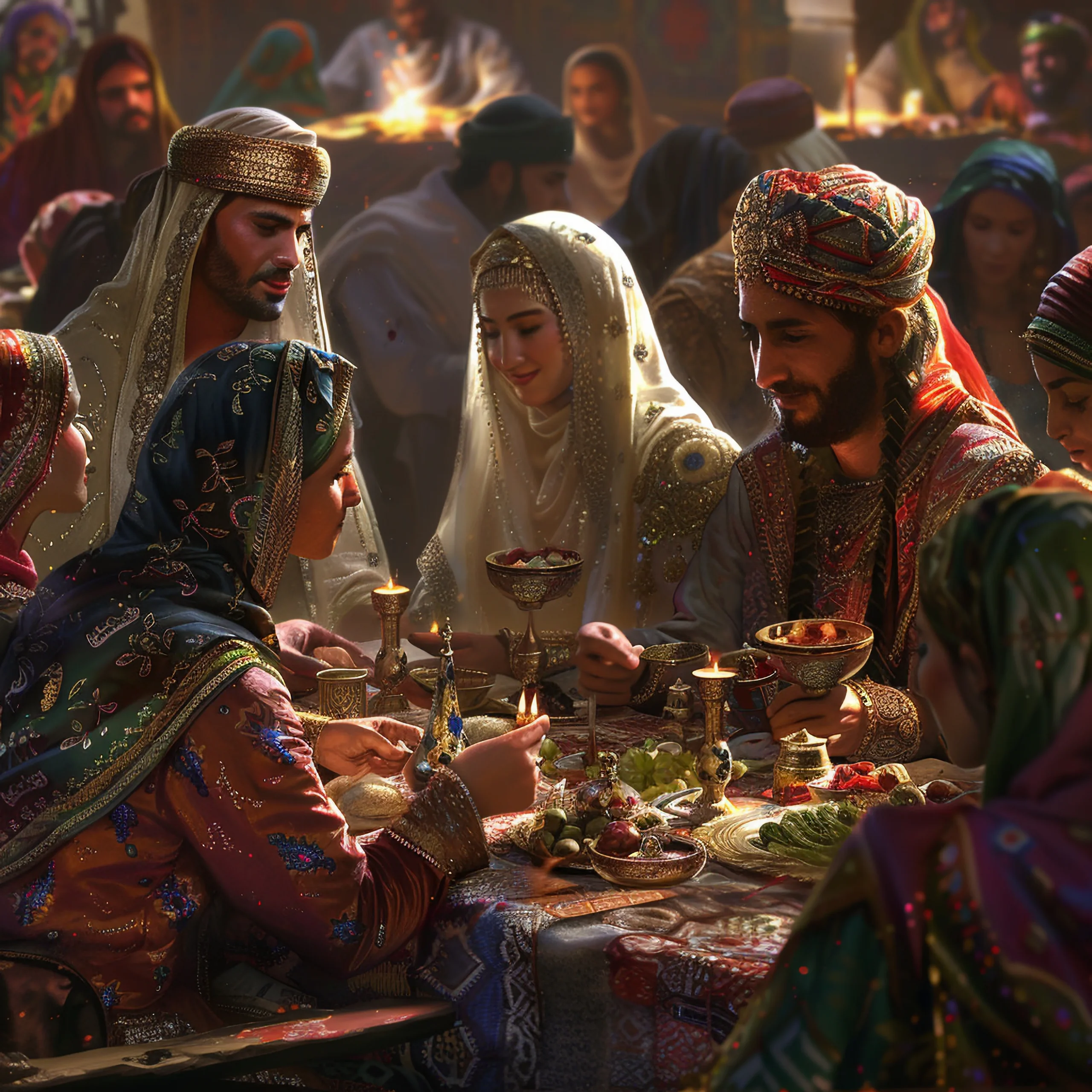
Lufanest is more than a passing trend or a catchy term. It represents a living cultural phenomenon that continues to shape how people express identity, connect with communities, and preserve traditions in a rapidly changing world. Rooted in heritage yet adaptable to modern life, lufanest bridges the past and present in meaningful ways.
From daily social interactions to art, music, fashion, and spirituality, lufanest quietly influences society while remaining deeply personal to those who practice or embrace it. Understanding lufanest means understanding how culture evolves without losing its core values.
What Is Lufanest?
Lufanest is a dynamic blend of traditions, values, and lifestyle expressions that define a shared cultural identity. It cannot be limited to a single definition because it exists at the intersection of creativity, community, and self-expression.
At its core, lufanest represents authenticity. It encourages people to embrace individuality while staying connected to collective heritage. Whether expressed through rituals, artistic forms, or social practices, lufanest thrives on participation and shared meaning.
What makes lufanest distinctive is its balance between continuity and change. Some customs remain untouched for generations, while others evolve naturally to reflect modern realities. This flexibility keeps lufanest relevant across different eras and cultures.
The Origins of Lufanest and Its Cultural Significance
Lufanest traces its origins to ancient traditions and communal practices developed to strengthen social bonds. Early forms of lufanest emerged as ways for people to connect through shared experiences, rituals, and storytelling.
Over time, these traditions absorbed influences from different societies while preserving their foundational values. Each generation added its own layer, turning lufanest into a reflection of resilience, creativity, and adaptation.
Culturally, lufanest serves as a mirror of societal change. Festivals, gatherings, and rituals connected to lufanest highlight unity, diversity, and the human need for belonging. Its significance lies not only in preservation but also in its ability to evolve without losing meaning.
Traditions That Shape Lufanest
Traditions are the heartbeat of lufanest. They include seasonal festivals, family rituals, spiritual ceremonies, artistic performances, and communal gatherings. Each practice carries symbolic meaning that reflects shared values and collective memory.
Food plays a central role in these traditions. Meals prepared using age-old recipes are more than nourishment; they are expressions of history and identity. Sharing food during lufanest gatherings reinforces bonds and affirms cultural continuity.
Music, dance, and visual arts also shape lufanest traditions. These creative forms serve as living expressions of joy, storytelling, and emotional connection.
Lufanest as a Source of Identity
For many people, lufanest is not simply something they practice—it is who they are. It offers a sense of belonging and connects individuals to a broader story that spans generations.
In a fast-paced and often fragmented modern world, lufanest provides stability. It grounds people in shared values and reminds them of their roots. Through rituals and customs, individuals find clarity about their place within a community.
This identity becomes especially powerful during times of change, offering continuity when everything else feels uncertain.
The Role of Storytelling in Lufanest
Storytelling is essential to lufanest. Stories explain the meaning behind rituals, the origins of traditions, and the values they represent. These narratives are passed from elders to younger generations through conversations, celebrations, and community events.
Without storytelling, traditions risk becoming empty routines. Through stories, lufanest remains alive, meaningful, and deeply connected to history. Storytelling ensures that customs are practiced with understanding rather than obligation.
Lufanest and Community Values
Lufanest strongly emphasizes unity and collective responsibility. Many of its customs are designed to bring people together through shared meals, cooperative work, and group celebrations.
Respect for elders and ancestors is a recurring value, ensuring that wisdom is honored and preserved. Generosity and hospitality are also central themes, extending care beyond immediate family to neighbors and guests.
These values create harmony and reinforce the idea that community strength comes from mutual support.
The Impact of Lufanest on Society and Daily Life
Lufanest influences everyday life in subtle but powerful ways. It shapes how people interact, communicate, and make lifestyle choices. Social norms, consumer behavior, and creative expression often reflect its underlying values.
Brands and creators increasingly align with lufanest principles, emphasizing authenticity, inclusivity, and meaningful experiences. Entrepreneurs use its influence to build initiatives that resonate with audiences seeking deeper connection rather than surface-level trends.
Social media has amplified lufanest, allowing people to share experiences, preserve traditions digitally, and engage in global conversations around culture and identity.
Lufanest’s Influence on Art, Music, and Fashion
Lufanest has become a significant source of inspiration across creative industries. Artists draw from its themes to challenge norms, explore identity, and reflect social change through bold visuals and symbolism.
In music, lufanest appears in lyrics that celebrate heritage, individuality, and community. These musical expressions often evoke emotions tied to freedom and self-discovery.
Fashion designers incorporate traditional patterns and motifs into modern designs, transforming cultural identity into wearable art. Rather than focusing on individual recognition, artistic expression within lufanest often emphasizes shared creativity and collective joy.
The Spiritual Layer of Lufanest
Many lufanest practices have spiritual or sacred roots. Rituals may honor ancestors, natural elements, or life’s major transitions such as birth, marriage, harvest, and loss.
Spirituality within lufanest is not always formal. It can also appear in daily practices of gratitude, respect, and mindfulness. Whether expressed through grand ceremonies or quiet reflection, spirituality reinforces a connection to both the natural world and something greater than oneself.
Controversies Surrounding Lufanest
Like many cultural movements, lufanest has sparked debate. Some see it as a meaningful cultural evolution, while others dismiss it as a temporary trend.
Critics argue that it can oversimplify complex cultural issues or be misused for commercial gain. Supporters counter that lufanest promotes inclusivity, self-expression, and cultural pride.
Concerns around commercialization remain a major point of discussion, especially when brands adopt lufanest aesthetics without understanding their roots. These debates highlight the dynamic and evolving nature of cultural discourse.
Lufanest in Modern Life and the Future
Despite globalization and technological change, lufanest continues to thrive. Younger generations are rediscovering traditions and blending them with modern lifestyles, giving lufanest fresh relevance.
Digital platforms now play a role in preservation. Festivals are livestreamed, stories are shared online, and traditional recipes reach global audiences through blogs and videos.
As sustainability and mindful living gain importance, lufanest may increasingly influence lifestyle choices centered on balance, community, and environmental awareness.
The Enduring Legacy of Lufanest
Lufanest remains a living tradition rather than a static relic. Its ability to adapt ensures its relevance across generations while preserving core values of unity, respect, and identity.
It reminds us that traditions are not obstacles to progress but pathways to meaning. Lufanest enriches modern life by connecting people to their roots while guiding them forward with shared purpose.